Art is in my HeART
Many of you know Art Costa was my mentor, teacher, and friend for over forty years. His vision for teaching and modeling thinking skills was visionary. Art was a humble man who never took credit for his hard work, and he shared generously with anyone who wanted to learn. I am deeply sad to tell you Art passed away on Saturday, June 13th. He not only meant the world to me, he kept me in education when I considered leaving in 1983. I have stood on his shoulders for many years. See https://learningomnivores.com/shoulders-of-giants/
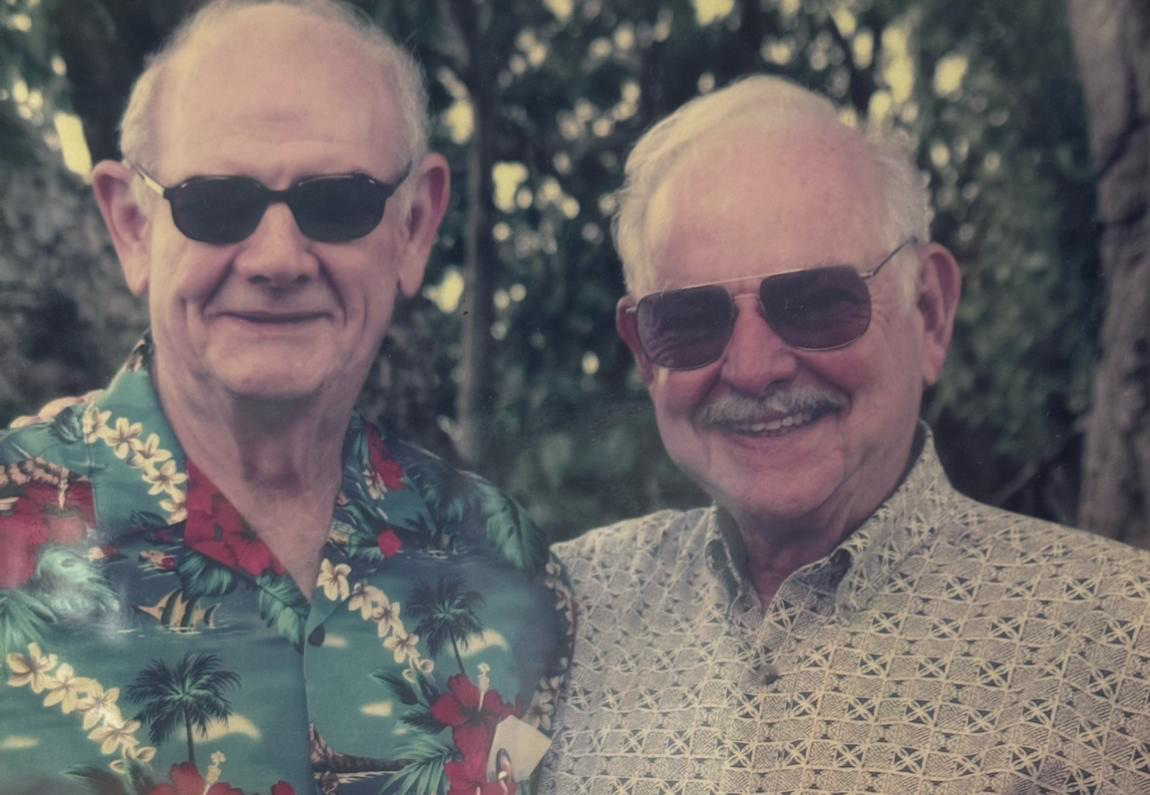
Another giant, Jane Stevenson, suggested I write ten questions Art has asked me that have kept me going throughout the years. Here are my thoughts.
Question #1: How do students behave when they don’t know the answer to something? In 1983 that questions shifted my thinking from having all the right answers to what questions will move individuals and organizations forward. What does a teacher/principal/superintendent, CEO, etc. do when they don’t know the answer to something?
Art started presenting ‘Intelligent Behaviors,’ which has behaviors, backed by research, that focus on problem-solving and transferable skills to any vocation or avocation. With Bena Kallick, he wrote and trained people on the ‘Habits of Mind’ which led to positive actions to address issues. These habits are foundational for life.
Question #2: What kind of questions do you ask that lead to answers that will help? Art developed the three-story intellect of questions. Using a house metaphor, the foundation and first story are facts. What do you know? The second story are questions for comparing and contrasting. What are some of the answers compared to what you thought? What are some of the answers that may be contrary to what you thought? The third story questions are focused on a vision. What do you want to happen? What does the future look like?
Collaborating with Bob Garmston, they developed Cognitive Coaching blending thinking, reflection-FOR-action (planning process) and reflection-ON-action (learning from the experience). Together they created five ‘States of Mind.’ These questions helped produce actions for someone being coached. I have used these to self-coach (yes, I ask myself the questions!), coach individuals, and to help focus teams for what they can do.
Question #3: Efficacy – What have you done in the past that has been successful? What is one action you can do that would lead to a better outcome? This focuses on what you can do, rather than on what is impeding progress. Marshall Goldsmith and Frank Wagner call this FeedForward.
Question #4: Flexibility – What else could you do that might get better results? Creating options for actions provides a broader repertoire. I have found the more repertoire someone has, the more influence they have in an event or conversation. It also creates options for a person when Plan A doesn’t work; they already have thought about alternatives.
Question #5: Consciousness – What results are you aware of? What happened that pleases you? What happened that if you were to teach/lead again, you would do differently? Brain research indicates that if you can’t get the result in the working memory, it will be very difficult to plan, process, and reflect on the future actions.
Question #6: Craftsmanship – How will you know if the actions were successful or didn’t lead to the outcome you wanted? One of Art’s questions that always bugged me (and he was correct), is ‘how will you know?’ How do we assess success? That question forced me to identify success indicators. Doing an assessment first helped me determined whether to continue or change course. In coaching others, I have found that the ability to define success indicators increases the chance of accomplishing positive results.
Question #7: Interdependence – Nobody does a job alone. There are usually three levels; yourself, who you report to, and those who report to you. Who else could you ask for ideas for action? Who else could you asked to help? Building relationships and positive cultures for results will always be better than one person with an idea.
Question #8: With whom do you hang around? Do you hang with people who ‘sap’ you and suck you dry? OR do you hang with people who ‘zap’ you, energize you, and promote your thinking? These questions led to creating ‘Learning Omnivores’ and learning from a cadre of experts. Art always attended our sessions all over the country. www.learningomnivores.com
Question #9: What does the future of education look like? This question was always central to continuing our thinking together. This reminds me of Frances Hesselbein’s question, ‘when you look out the window, what do you see that nobody else sees?’ Art has remained the visionary, driven by ethical goals, and with an inclusive mindset.
Question #10: Bill, as a principal, what are you doing to create a mentally stimulating culture for the staff? My answer – “I have to do that too?” Typical Art, his response – “If you don’t do that for your staff, why do you think they will do it for students?” He engaged my heart and he was right. How do I do that as a leader. That question changed my leadership style.
Morrie Schwartz, said in the book, ‘Tuesdays with Morrie’ – “death ends a life, not a relationship.” My relationship with Art Costa will never end. I am profoundly grateful for his influence on me and the multitudes of people who were able to learn from and with him.
I will close with the Navajo Chant I learned from Barbara McAfee (another giant).
“When you were born you cried. And the world rejoiced.
Live your life so that when you die, the world will cry and you will rejoice”
Art lived this mantra every day. I cry as Art has died and I rejoice for immense ways in which he contributed to my life and the lives of so many.
I love you Art. Until we meet again…
Namaste’
Bill